

The MWB Lab is an international and collaborative training environment for the next generation of cardiac regenerative scientists, working across stem cell biology, cardiac tissue engineering, biomaterials, and translational medicine.
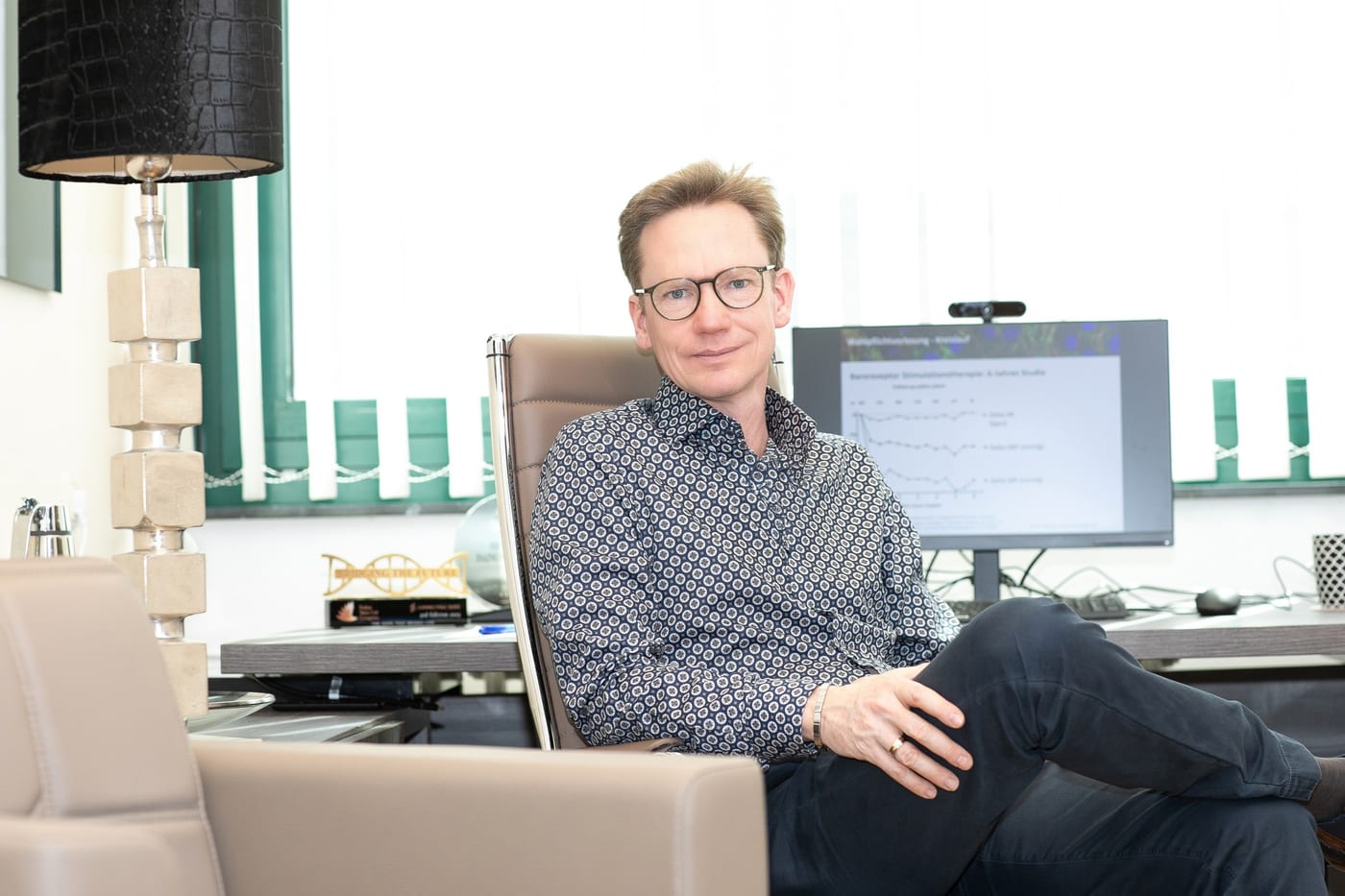
Kurt Pfannkuche studied biology at the University of Cologne, specializing in animal physiology, genetics, ecology, and pharmacology, and wrote his thesis in Klaus Rajewsky’s laboratory on the topic of cell-permeable Cre recombinase.
He then moved to the Faculty of Medicine and joined the Institute of Neurophysiology under the direction of Jürgen Hescheler to conduct research on pluripotent stem cells and issues related to cardiac cell therapy. There, he also received his venia legendi and was appointed adjunct professor in 2024.
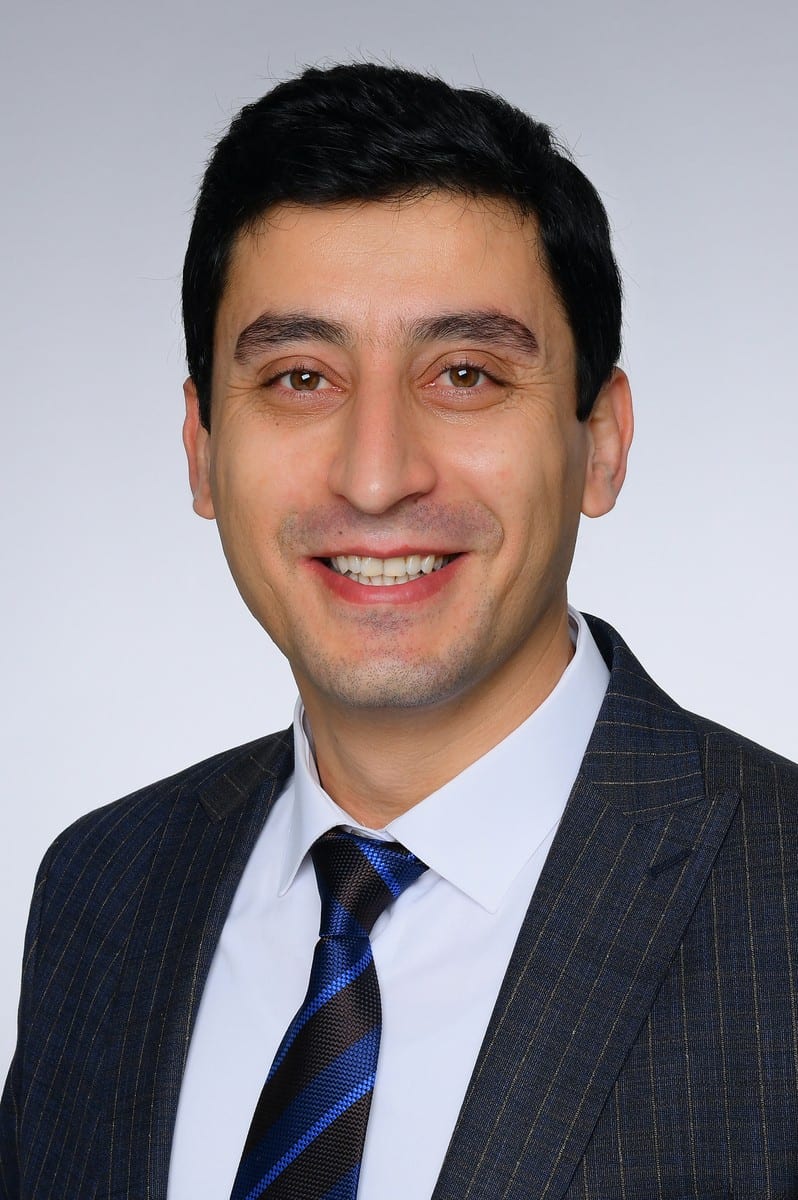
Dr. Sarkawt Hamad is a scientist specializing in regenerative medicine, with a focus on cardiac tissue engineering, stem cell biology, and translational research. He currently serves as Head of Scientific Development at the MWB-Lab, where he works on developing clinically relevant and scalable approaches in cardiac regeneration.
His research includes hiPSC-derived cardiomyocytes, endothelial cells, cardiac organoids, mesenchymal stem cells, exosome platforms, and cGMP-compliant cell systems. He is particularly interested in translating stem cell-based technologies into reproducible and clinically applicable solutions.
Dr. Hamad has experience in large-animal translational models, AI-driven bioinformatics, and international scientific collaboration. He has supervised MD, MSc, and PhD researchers and actively contributes to advancing regenerative medicine toward clinical and industrial applications.
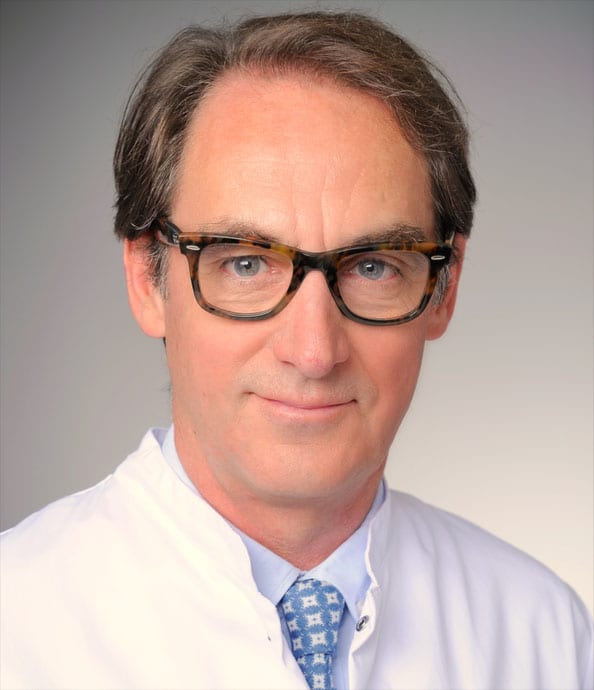
Professor of Pediatrics, Head of Pediatric Cardiology, University Hospital of Cologne.
Prof. Dr. Konrad Brockmeier is an emeritus Professor of Pediatrics and former Head of Pediatric Cardiology at the University Hospital of Cologne. He earned his medical degree from the Free University of Berlin and completed his training in general pediatrics and pediatric cardiology in Berlin, followed by a European Community research fellowship in Rome. Over his career, he held consultant positions at leading institutions, including Charité Berlin and the University of Heidelberg, before joining Cologne in 2002. As Director of Pediatric Cardiology until 2023, he significantly shaped clinical care and research in the field. He also served on the boards of international societies including ISCE and AEPC.
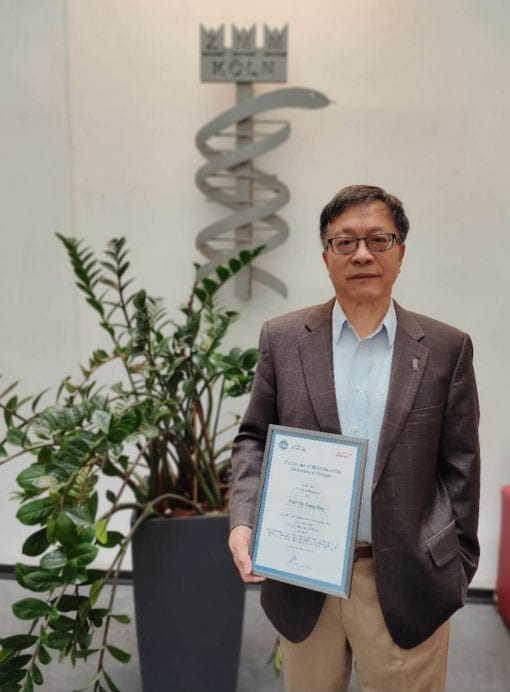
Foyt Family Professor of Bioengineering, Professor of Chemistry and Materials Science & NanoEngineering, CPRIT Scholar in Cancer Research.
Prof. Dr. Gang Bao is the Foyt Family Professor of Bioengineering at Rice University and a leading pioneer in nanomedicine, molecular imaging, and genome editing. His research focuses on developing advanced biomolecular engineering and nanotechnology approaches for disease diagnosis and therapy, including targeted drug delivery and gene correction using tools such as CRISPR/Cas9. He has made significant contributions to understanding and treating diseases such as cancer and genetic disorders, including sickle cell disease. Prof. Bao has authored over 180 scientific publications, holds multiple patents, and is an elected fellow of several major scientific societies, reflecting his broad impact on bioengineering and translational medicine.
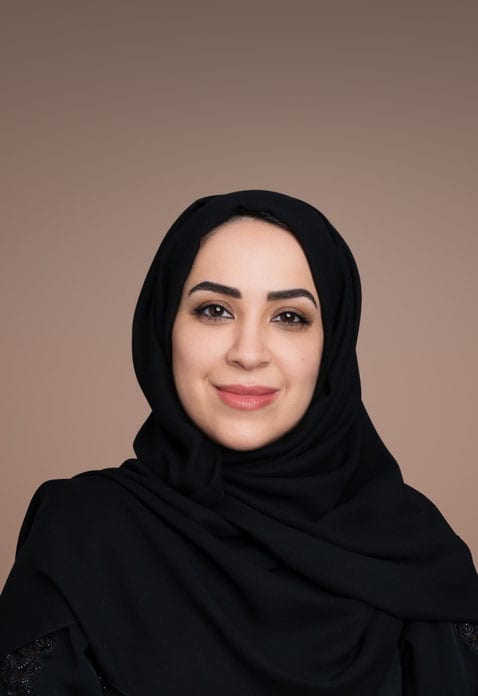
Expert in GMP cell manufacturing.
Dr. Fatma Alhashimi is a stem cell expert, CEO of FSG Lab in Dubai, and Chairperson of the Dubai Stem Cell Congress. She established the UAE’s first GMP-compliant stem cell and molecular laboratory, featuring advanced ISO clean room facilities for stem cell isolation, culture, and banking. With a PhD in Project Management and a background in molecular and medical genetics, she combines scientific expertise with strong leadership in healthcare innovation. Dr. Alhashimi has led pioneering initiatives in cord blood donor recruitment in the UAE and is a certified trainer in project management, change management, and organizational transformation.
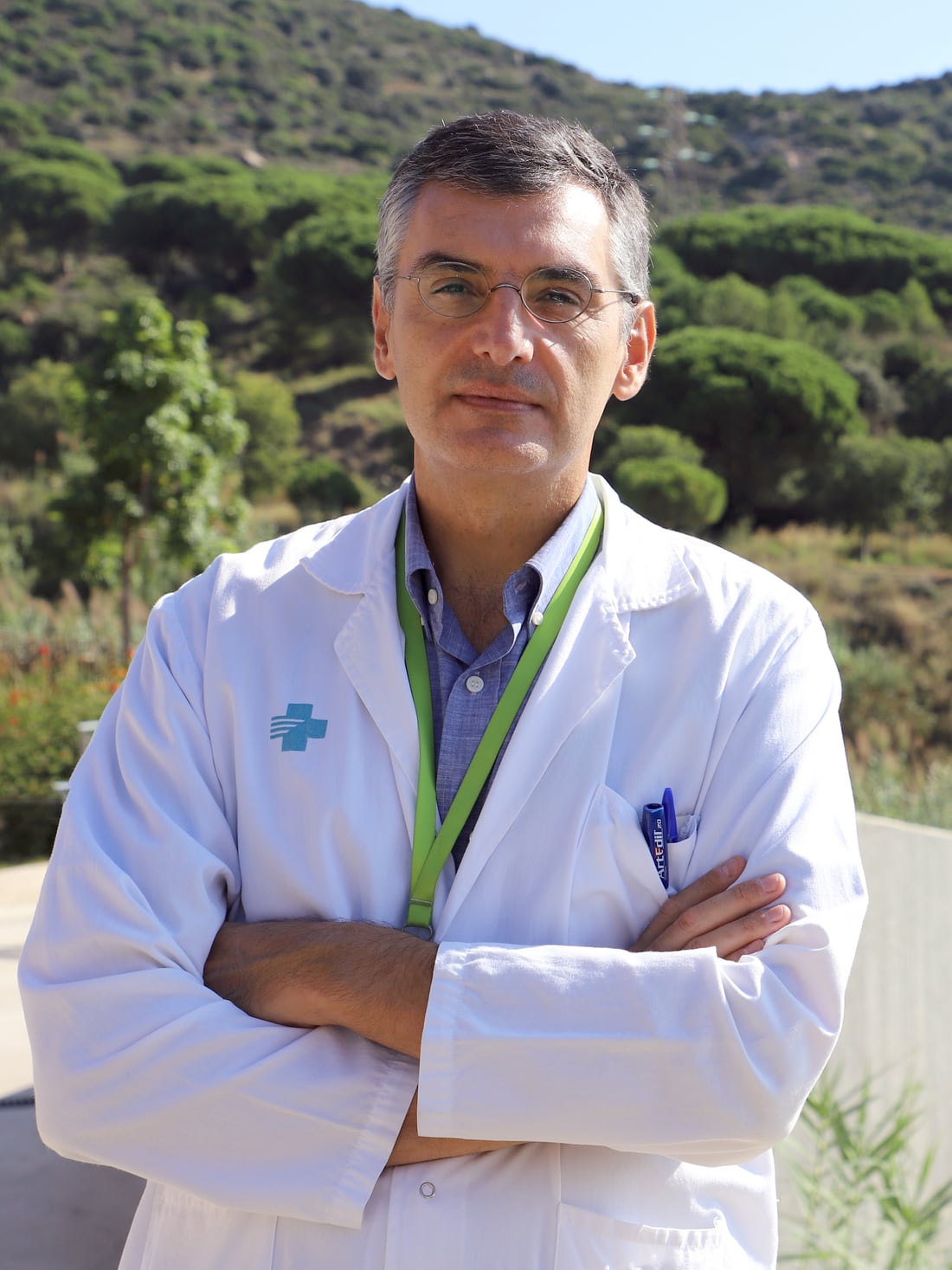
Clinical Director of the Heart Area at Germans Trias i Pujol University Hospital and Principal Investigator of the Heart Failure and Cardiac Regeneration group (ICREC).
Antoni Bayés-Genís is the Clinical Director of the Heart Area at Germans Trias i Pujol University Hospital, holds a PhD in Medicine, and is Full Professor of Cardiology at the Autonomous University of Barcelona (UAB). He is also the Principal Investigator of the Heart Failure and Cardiac Regeneration Research Group (ICREC) at IGTP and a faculty member of the UAB Faculty of Medicine at the Can Ruti Campus.
He is a world-renowned reference in the field of cardiology. His research focuses on novel biomarkers and biotherapies for personalized and precision cardiology. He has led and contributed to numerous research projects, particularly in the development of new biomarkers to improve the diagnosis and prognosis of heart failure, the study of sudden cardiac death, as well as regenerative medicine and telemedicine. His research has also contributed to the understanding of the so-called Bayés syndrome.
One of the most significant milestones in his research career was the development of a pioneering therapy to repair heart tissue after myocardial infarction. Known as PeriCord, this therapy consists of attaching a bioimplant of stem cells directly to the patient’s heart to regenerate the damaged area and improve cardiac function.
He has authored over 1,051 SCI-indexed scientific articles in high-impact international journals and has contributed to more than 600 national and international conferences, delivering oral presentations. He has been awarded 49 competitive research grants, generating over €8 million in research funding. He is a Full Professor of Medicine–Cardiology and has supervised and co-supervised 25 doctoral theses.
His innovative research has led to the development of multiple medical technologies and the registration of ten patents, two of which have been licensed to U.S. biotechnology companies. Another patent was awarded a “Llavor” project by the Government of Catalonia in 2020, supporting prototype development and the creation of a spin-off company. In 2022, he co-founded a startup, Nimble Diagnostics, in collaboration with the Germans Trias i Pujol Research Institute, the Polytechnic University of Catalonia, and the University of Barcelona (IGTP–UPC–UB), which subsequently secured €2.5 million from the EIC Accelerator program. He has also established several collaboration agreements with biotechnology companies. He currently serves as a Board member and President of the Heart Failure Association of the European Society of Cardiology (ESC).
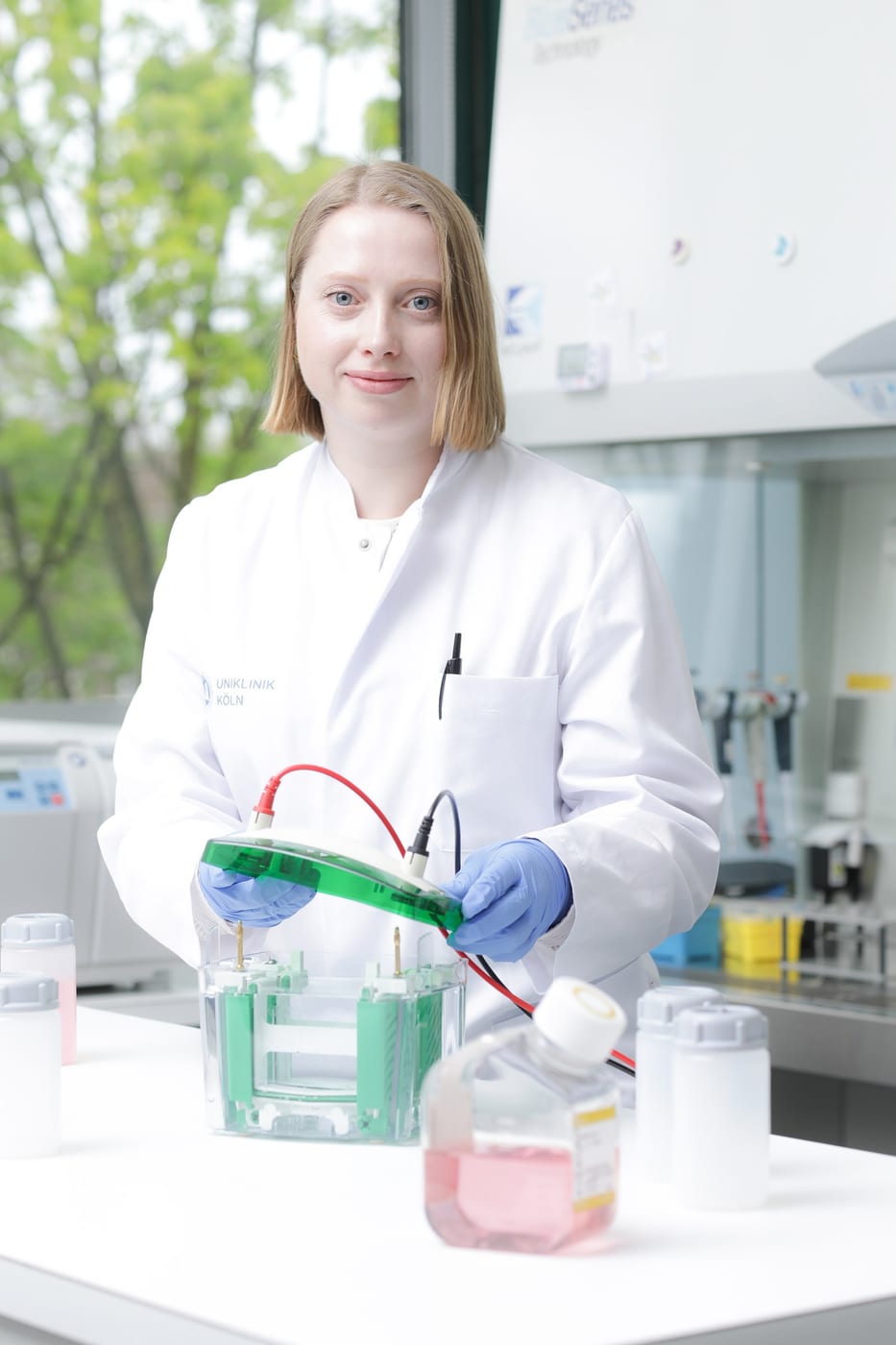
Lisa Münchhalfen obtained her Bachelor’s and Master’s degrees in Biology and Geography at the University of Cologne. She gained research insights into in-vivo genome editing via CRISPR/Cas9 in the mouse model at the Transgenic Core Facility of the Max Planck Institute for Biology of Aging, before joining RG Pfannkuche as a PhD student.
In her PhD she investigates the genetic network of the cardiac lineage and genetically modifies different cell lines using CRISPR technology to overcome hurdles for pre-clinical transplantation experiments.
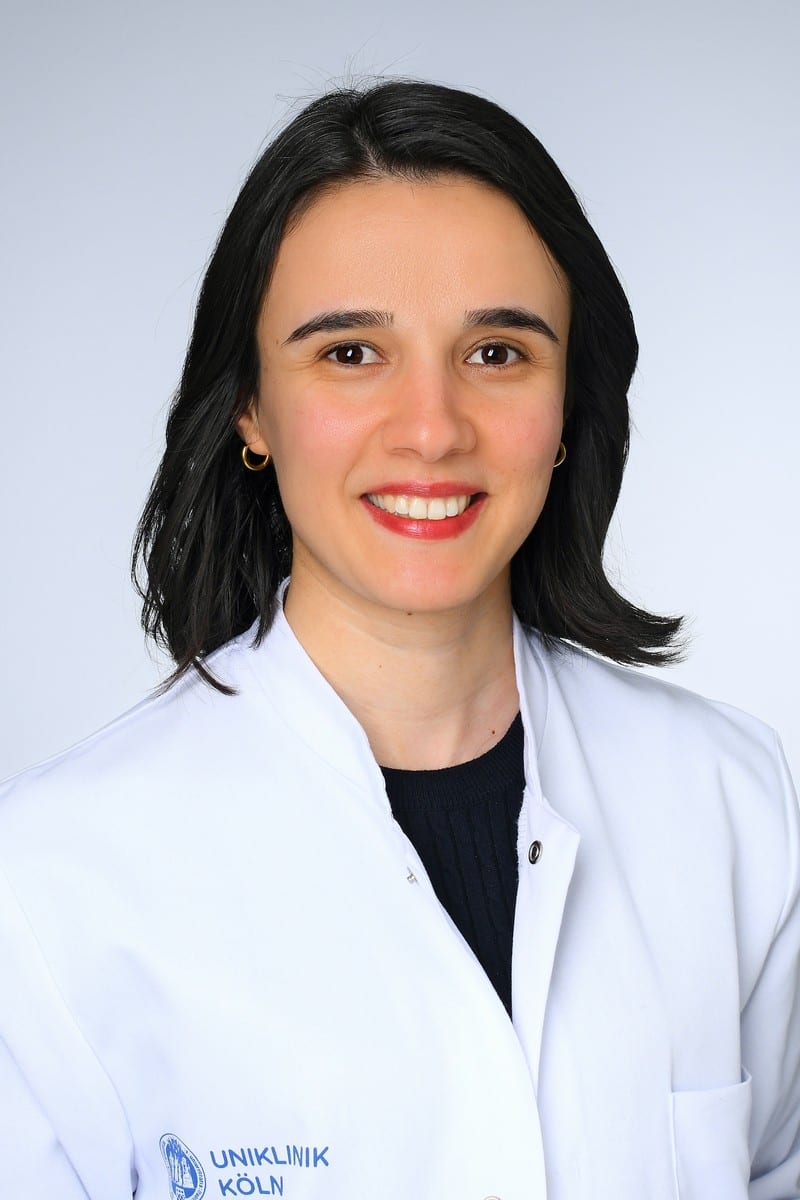
Ebru Aksoy holds both a Bachelor’s and a Master’s degree in Biomedical Engineering and is currently conducting research in the field of tissue engineering at the University of Cologne. Her work primarily focuses on human induced pluripotent stem cells (hiPSCs), including their differentiation into various lineages and the biological complexity of cardiac organoids.
She investigates the roles of different cell types within these systems, with particular emphasis on controlling myofibrosis and enhancing vascularization. In addition, her research involves upscaling organoid production using stirred bioreactor systems.
She is also engaged in translational studies, including the transplantation of cardiac constructs in porcine models of myocardial infarction, aiming to bridge the gap between laboratory research and clinical application.
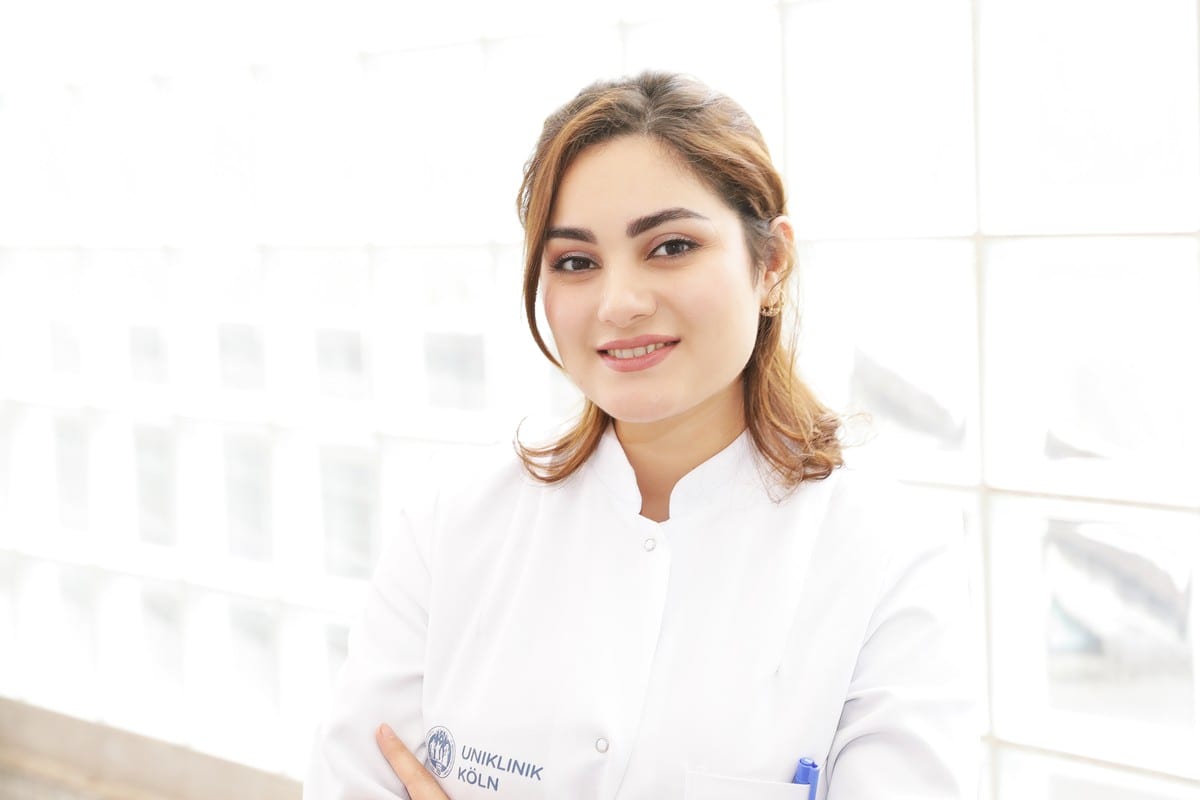
Rezwan Firuzi is a PhD researcher at the MWB Lab, University of Cologne, specializing in stem cell biology, cell reprogramming, and regenerative medicine. Her current research focuses on the transgene-free production of equine induced pluripotent stem cells (eqiPSCs), with the long-term goal of advancing musculoskeletal therapies in horses and beyond.
Drawing on her background in veterinary medicine, she brings a distinctive translational lens to her work — bridging the gap between animal physiology and cutting-edge stem cell science. Her technical expertise encompasses mRNA transfection, nucleofection, PBMC engineering, and hiPSC-derived cardiomyocyte and cardiac organoid differentiation, complemented by proficiency in advanced bioinformatics pipelines, including single-cell and bulk RNA-seq analysis.
Through this seamless integration of experimental rigor and computational insight, Rezwan contributes to the forefront of cardiac tissue engineering and cell reprogramming research, working toward innovative solutions in regenerative medicine.
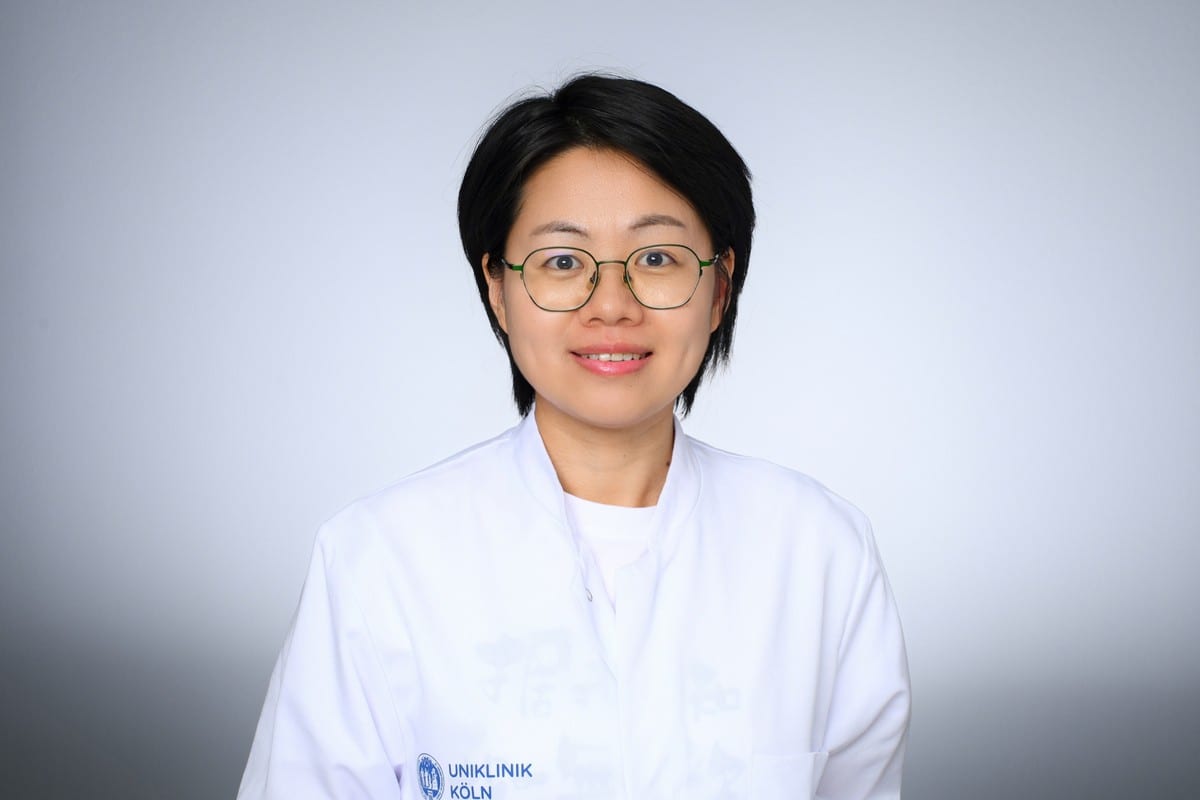
I have a clinical background in cardiology with prior experience as a cardiologist, specializing in adult echocardiography and cardiomyopathy management.
My research focuses on the isolation and characterization of mesenchymal stem cell (MSC)-derived exosomes and their roles in cardiomyocyte maturation. In addition, I investigate macrophage-mediated regulation of endothelial migration in bioartificial heart tissue, as well as the differentiation of human iPSCs into cardiac fibroblasts and epicardial cells.
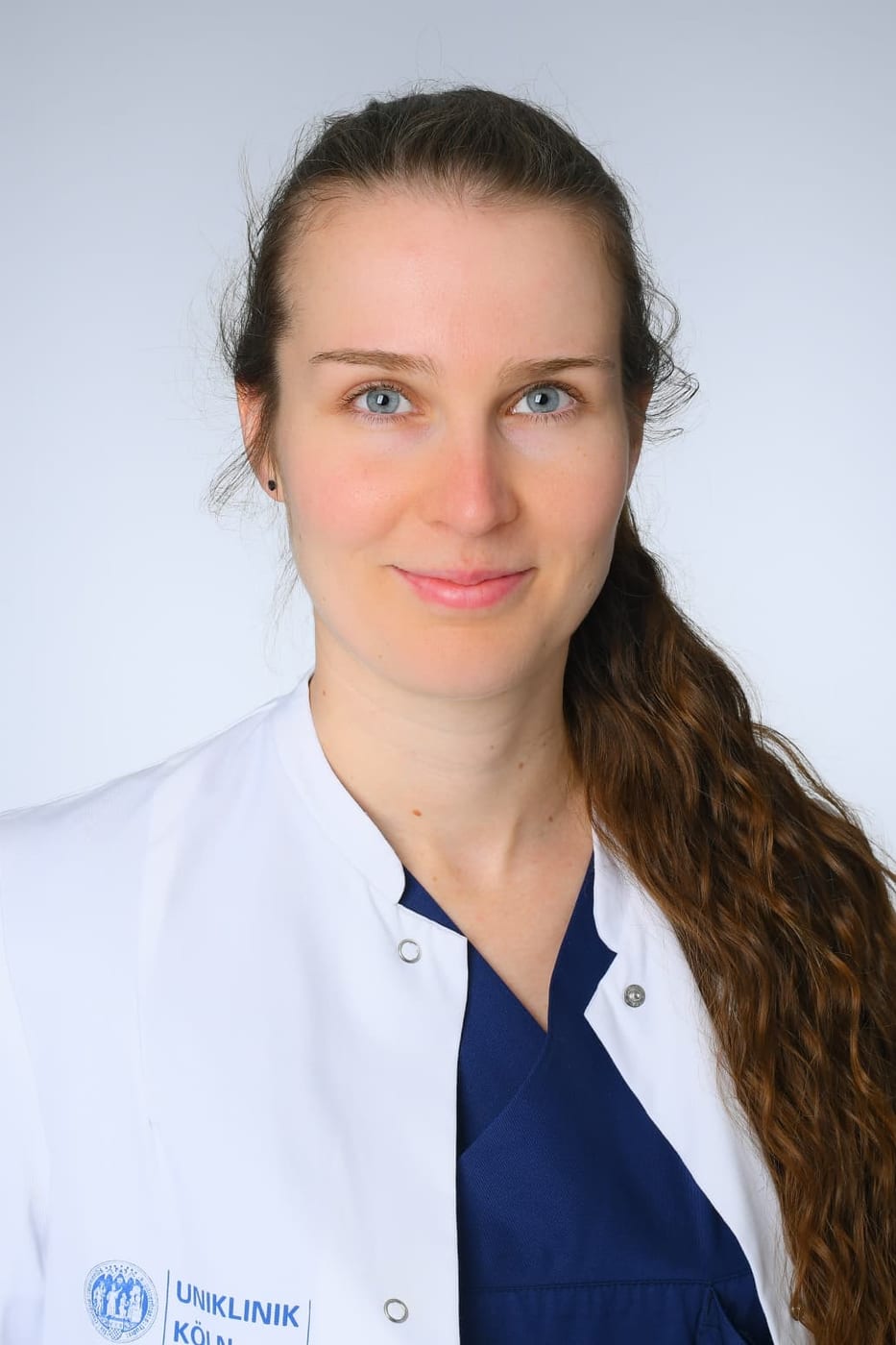
Katharina Zahn is a medical student at the University of Cologne. For her medical doctoral thesis she is conducting research in the field of cardiac tissue engineering. Her work focuses on human induced pluripotent stem cells (hiPSCs) and their differentiation into cardiomyocytes and cardiac organoids. She investigates the long-term culture of cardiac organoids and their potential as model organisms.
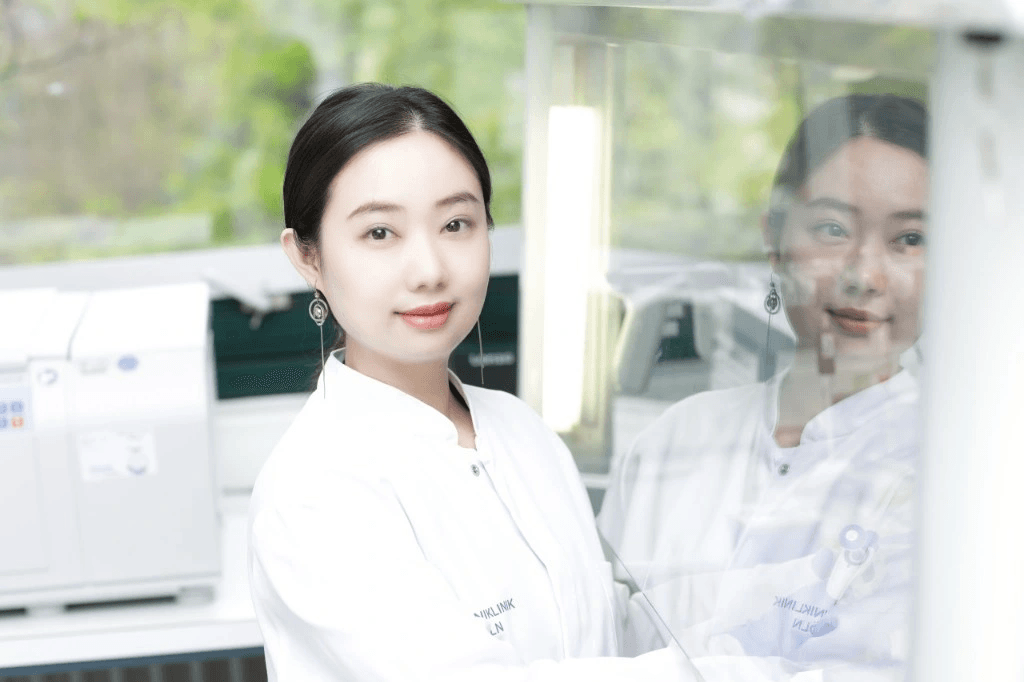
I’m Ziwei Lu, an MD Candidate at the University of Cologne, specializing in cryopolymer hydrogel and silk fibroin scaffold development for engineered heart tissue in vivo, with a focus on cardiomyocyte maturation, cardiac organoid engineering, and induced pluripotent stem cell (iPSC) technology for cardiac regeneration.
My core research focuses on cryopolymer hydrogel and silk fibroin as biomaterial scaffolds to support the 3D culture, maturation, and in vivo engraftment of cardiomyocytes and cardiac organoids, aiming to advance translational therapies for myocardial repair and cardiovascular regenerative medicine. I have hands-on expertise in iPSC differentiation into cardiomyocytes and laboratory skills.
I’m passionate about bridging biomaterial science, stem cell biology, and clinical cardiovascular medicine.
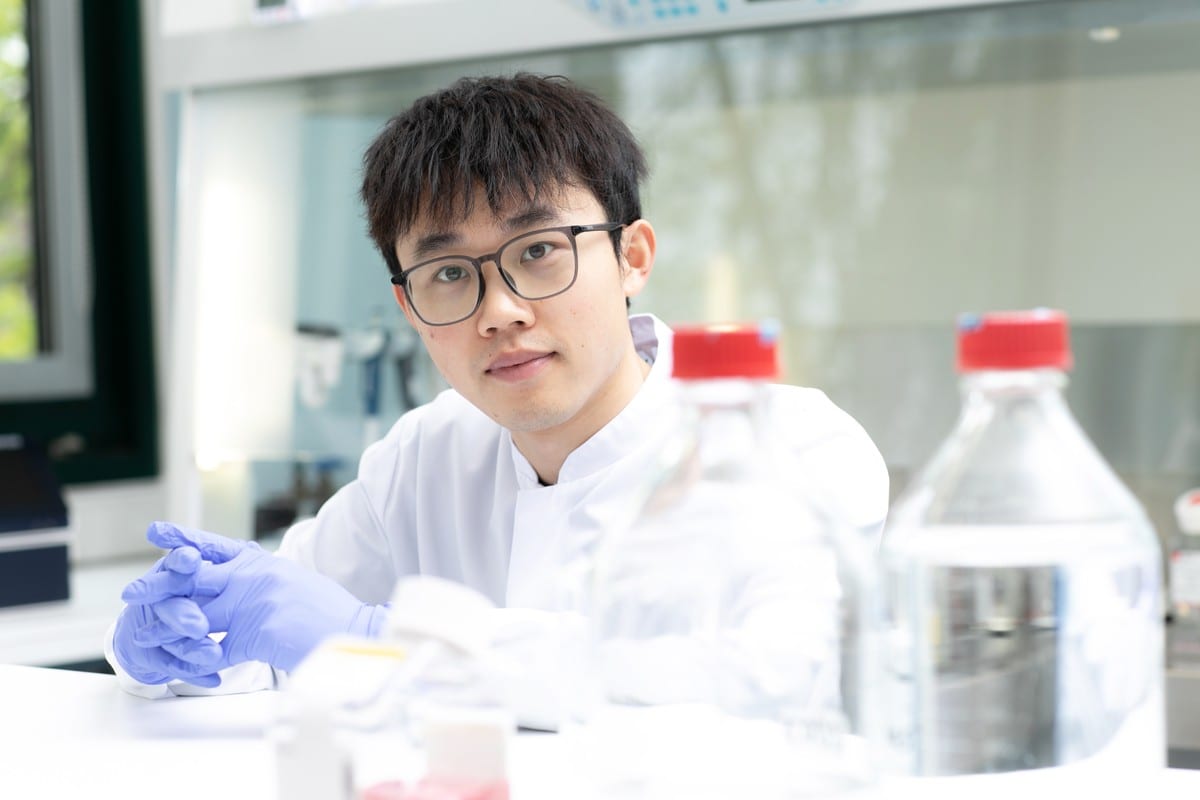
Yao Chong, a doctoral candidate supported by the China Scholarship Council, is pursuing his medical doctorate at the Marga and Walter Boll Laboratory under the supervision of Prof. Kurt Pfannkuche.
His research is about stem cell biology and cardiac tissue engineering, specifically investigating the metabolism and maturation of human induced pluripotent stem cell-derived cardiomyocytes (hiPSC-CMs) to enhance their functional properties.
In addition to his academic research, Yao is also keen on sport.
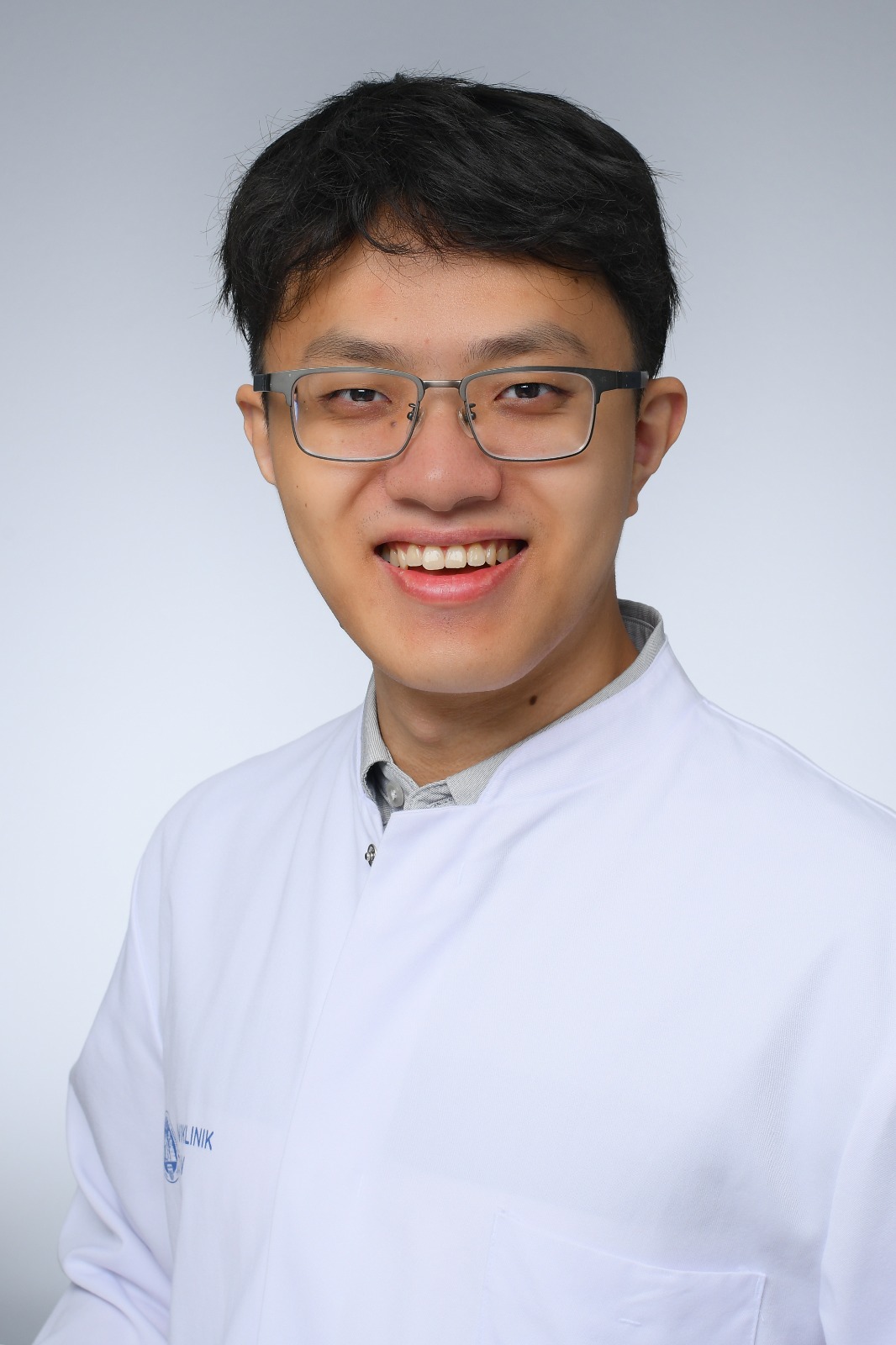
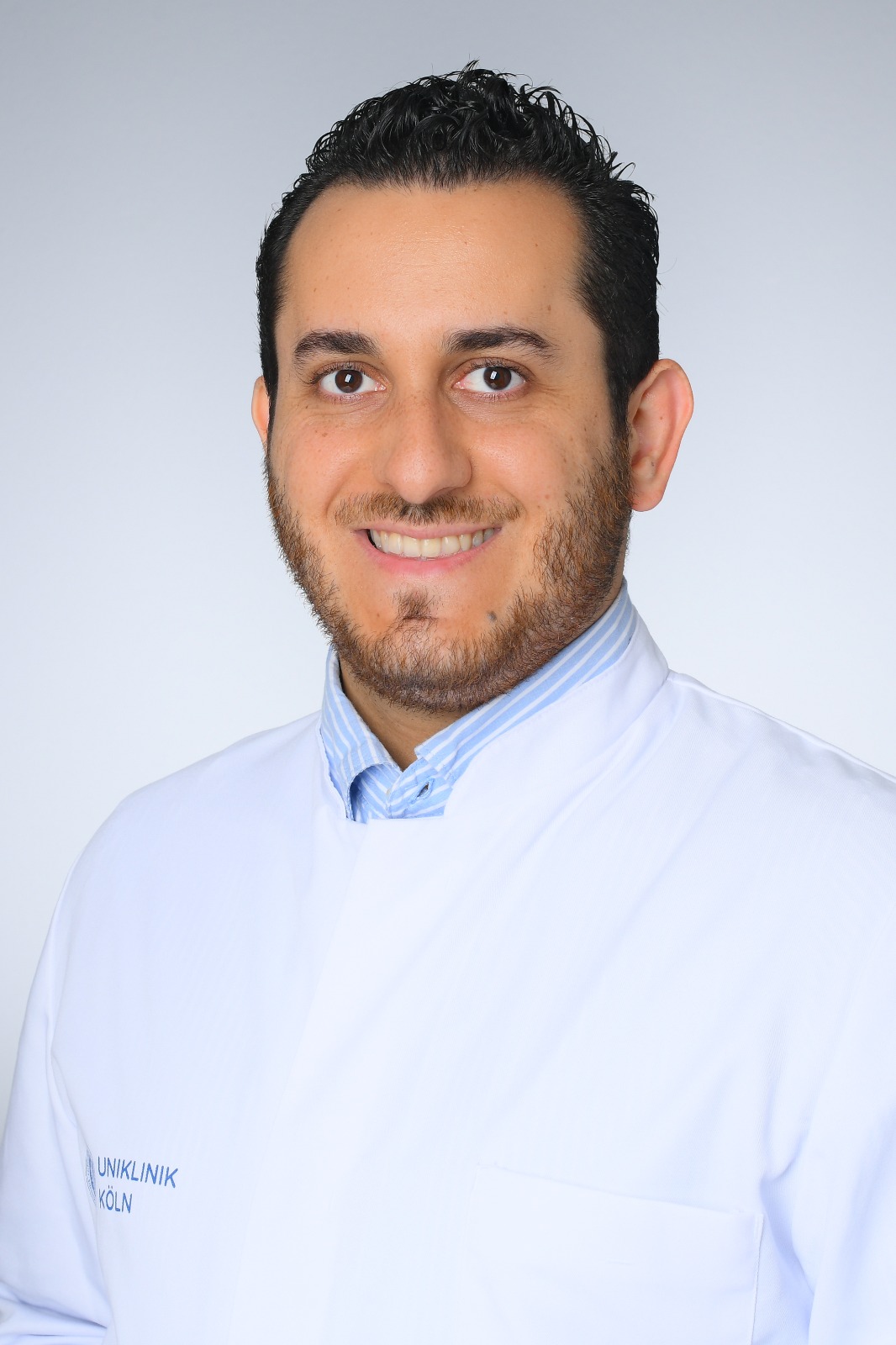
I am a medical student at the University of Cologne and a doctoral researcher in Neurophysiology, focusing on nanoparticle-mediated thermoablation and innovative translational approaches in neuroscience. Alongside my research activities, I have a strong clinical interest in Ophthalmology and aim to further develop and apply my experience in this field within a clinical context. I combine clinical, scientific, and humanitarian engagement to advance mental health and community resilience.
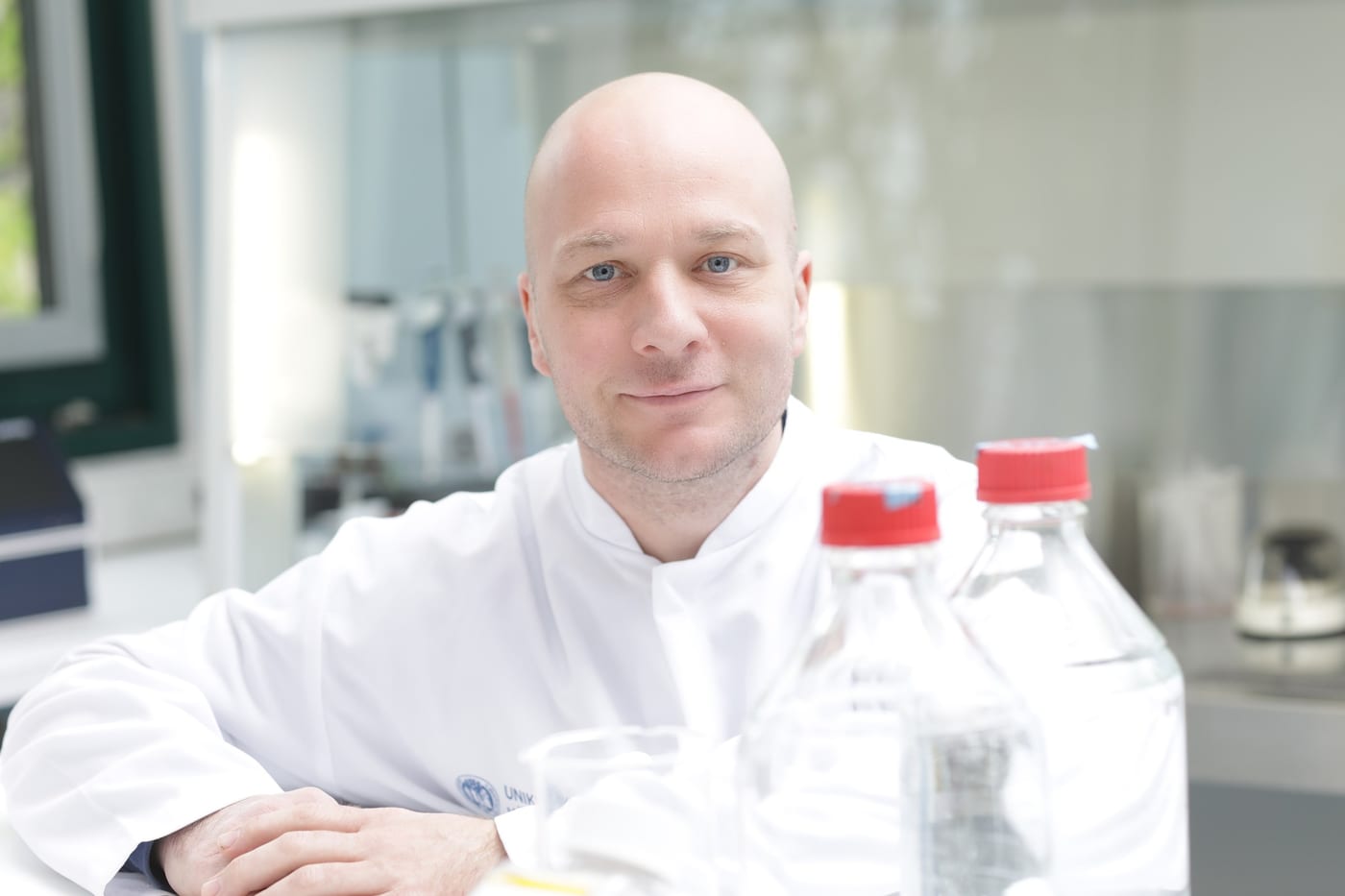
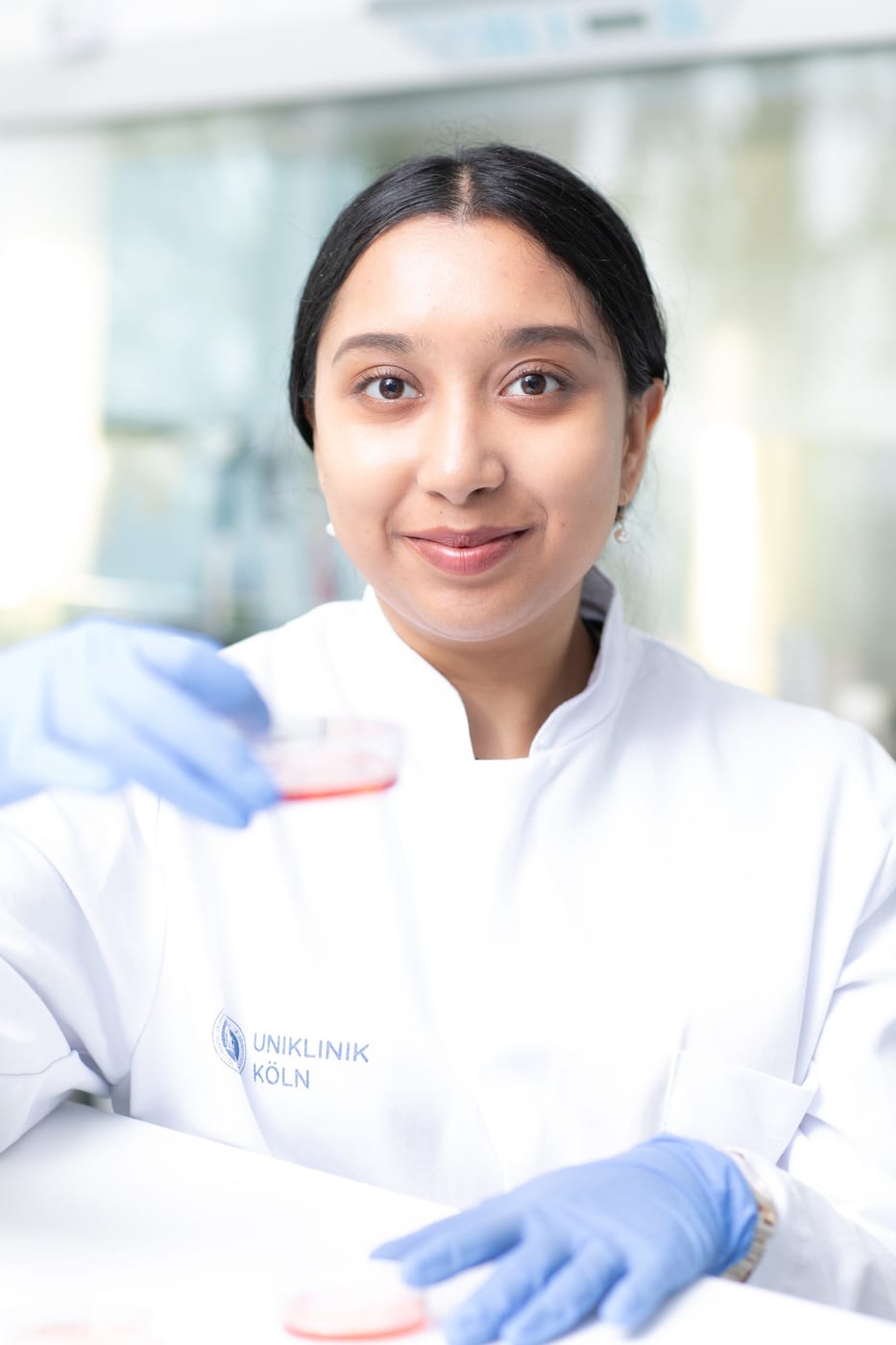
My name is Pranjali Bhagat, and I am a B.Tech. graduate in Biotechnology from VIT Vellore, India. I joined the Marga and Walter Boll Laboratory for Cardiac Tissue Engineering at the Medical Faculty of the University of Cologne in early 2025 as part of my Bachelor’s thesis internship, and I’m currently continuing here as a research assistant until June 2026.
My current project focuses on extending the non-cryogenic storage of hiPSC-derived cardiomyocytes by modulating metabolic pathways using small molecules.
Outside the lab, I enjoy getting creative with handicrafts and LEGO, experimenting with baking, and staying active through swimming. These hobbies keep me grounded and bring a nice balance to my work routine.