

The lab is not only building cardiac cells, tissue, and organoids — it is validating them in a clinically relevant large-animal system. The translational pipeline is what turns a scalable platform into a credible path toward the clinic cardiac cell therapy.
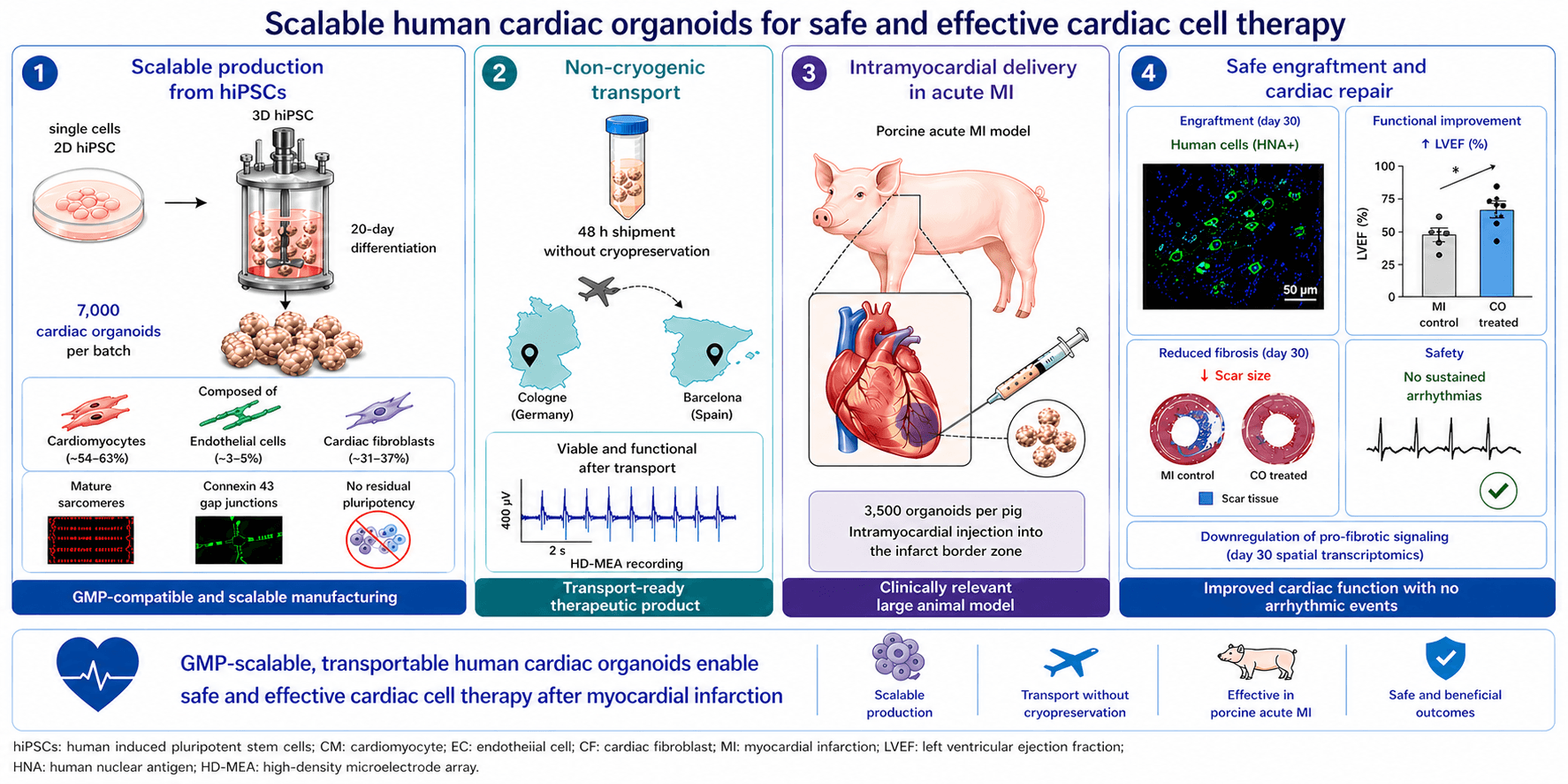
Designed by Dr. Carol Gálvez-Montón
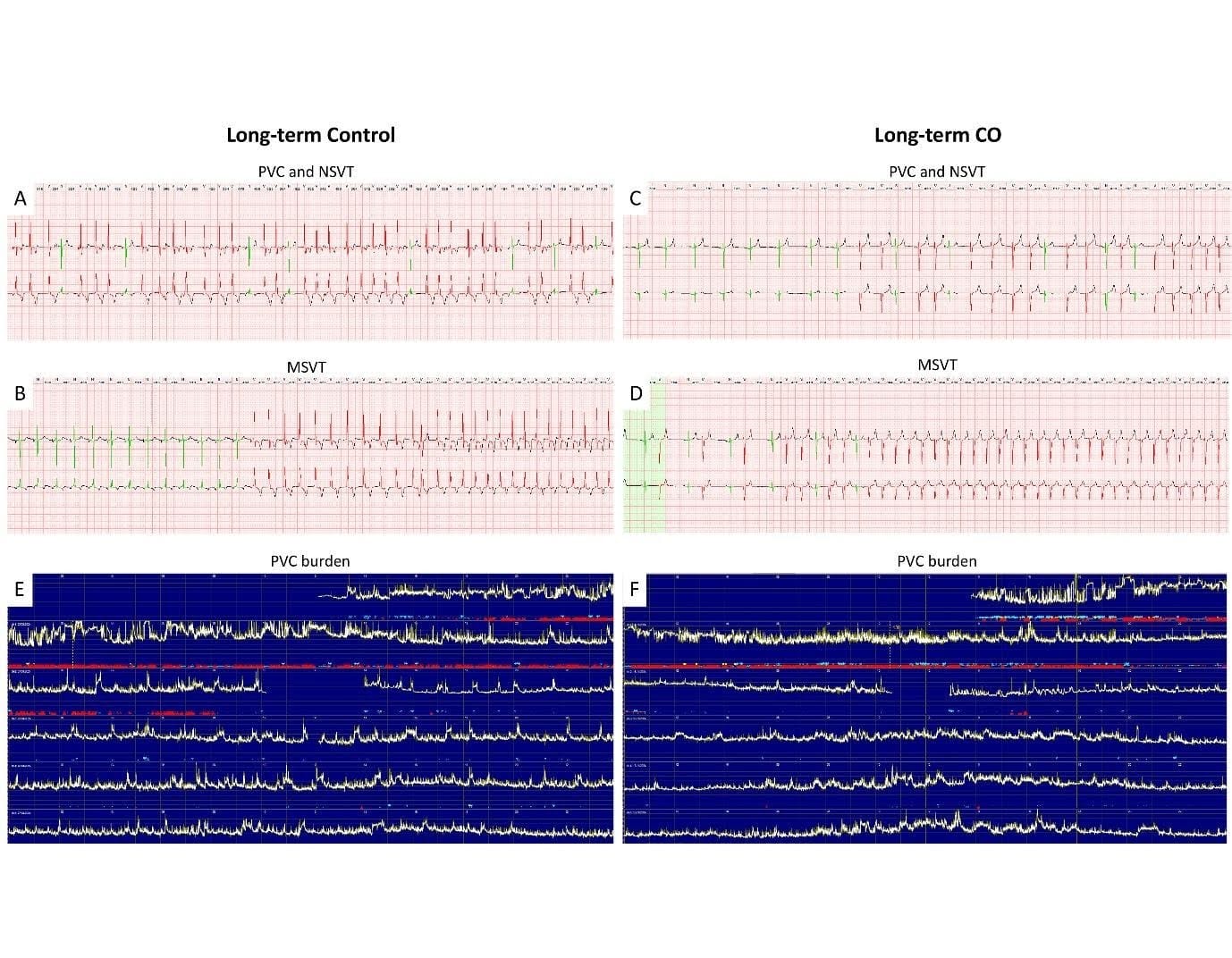
Cardiac organoid transplantation in a porcine model of acute myocardial infarction produced no treatment-related pro-arrhythmic effects. This finding underpins the program, as without proven electrical safety in a large-animal model, clinical translation is not feasible.
Scalability, Safety, Translational potential, and Therapeutic relevance. Every cardiac cell, tissue, and cardiac organoid system we develop is measured against these four pillars — a scalable self-organised hiPSC-derived cardiac organoid engrafted inside an acute MI porcine model.
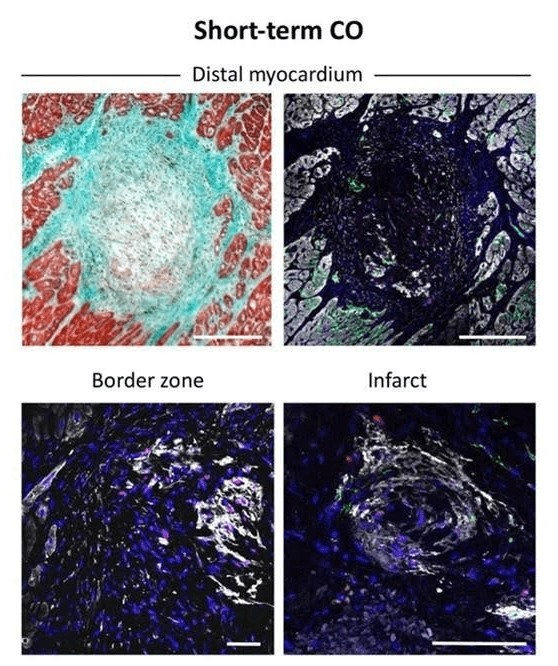
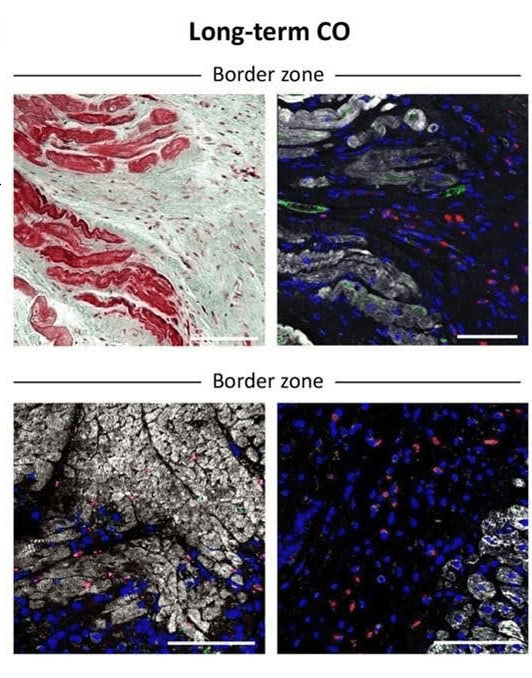
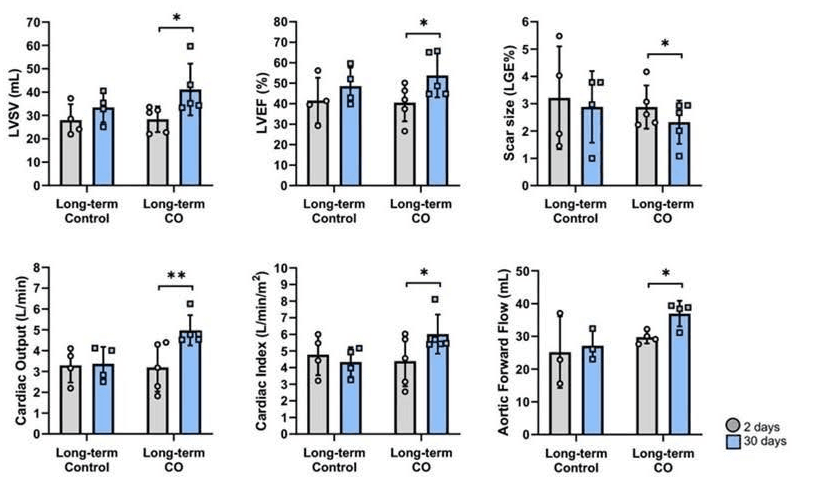
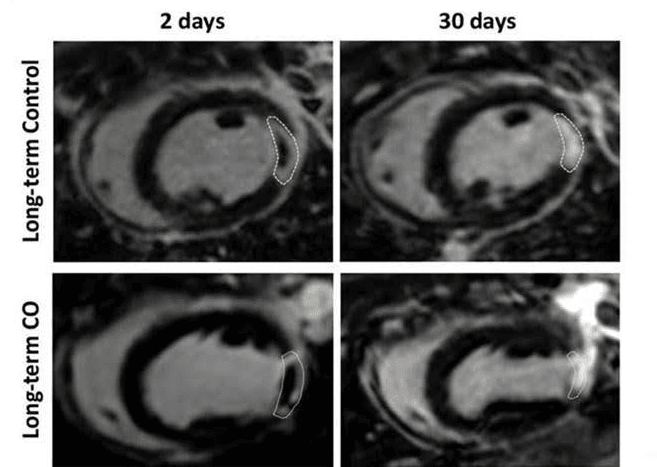
The lab's translational story arrives in three chapters — each one unlocking the next.
Ongoing preclinical studies in a chronic myocardial porcine model are advancing toward human clinical trials. We are open to collaborative partnerships.
Our group maintains a close collaboration with the ICREC Research Lab at the Germans Trias i Pujol Research Institute (IGTP, Barcelona), a leading translational cardiovascular research team with extensive expertise in advanced therapies, cardiac regeneration and preclinical cardiovascular research.
The ICREC team, lead by Dr. Carolina Gálvez-Montón, has more than two decades of experience in the development and validation of large-animal models of cardiovascular disease, including myocardial infarction, heart failure and vascular interventions. Their expertise encompasses advanced cardiac imaging, electrophysiological mapping, arrhythmia assessment, tissue engineering, regenerative medicine and the preclinical evaluation of cell- and tissue-based therapies under conditions that closely mimic clinical practice. The group has a strong track record in translating innovative therapeutic concepts from the laboratory to clinically relevant preclinical models and has contributed to the development of several advanced therapy medicinal products (ATMPs) for cardiovascular diseases.
Our collaboration combines complementary expertise in stem cell biology, cardiac organoid generation and bioprocess engineering with IGTP's unique capabilities in large-animal cardiac surgery, multimodality phenotyping, cardiac magnetic resonance imaging, electrophysiological safety assessment and long-term in vivo evaluation. This multidisciplinary approach provides a highly robust platform for the development and translational validation of next-generation regenerative therapies.
A major outcome of this collaboration was the recent publication demonstrating the successful large-scale production, transplantation and therapeutic evaluation of human iPSC-derived cardiac organoids in a porcine model of acute myocardial infarction. The study showed efficient organoid engraftment, improved cardiac function, reduced scar formation and a favourable arrhythmia safety profile during follow-up. Importantly, the work also provided mechanistic insights into cardiac repair through spatial transcriptomic analyses, highlighting the potential of cardiac organoids as a novel regenerative strategy for myocardial regeneration.
Beyond this project, the collaboration continues to advance innovative approaches in cardiovascular regenerative medicine, leveraging IGTP's expertise in clinically relevant large-animal models and translational cardiovascular research to accelerate the path towards future clinical applications.